Discover Chez Ali
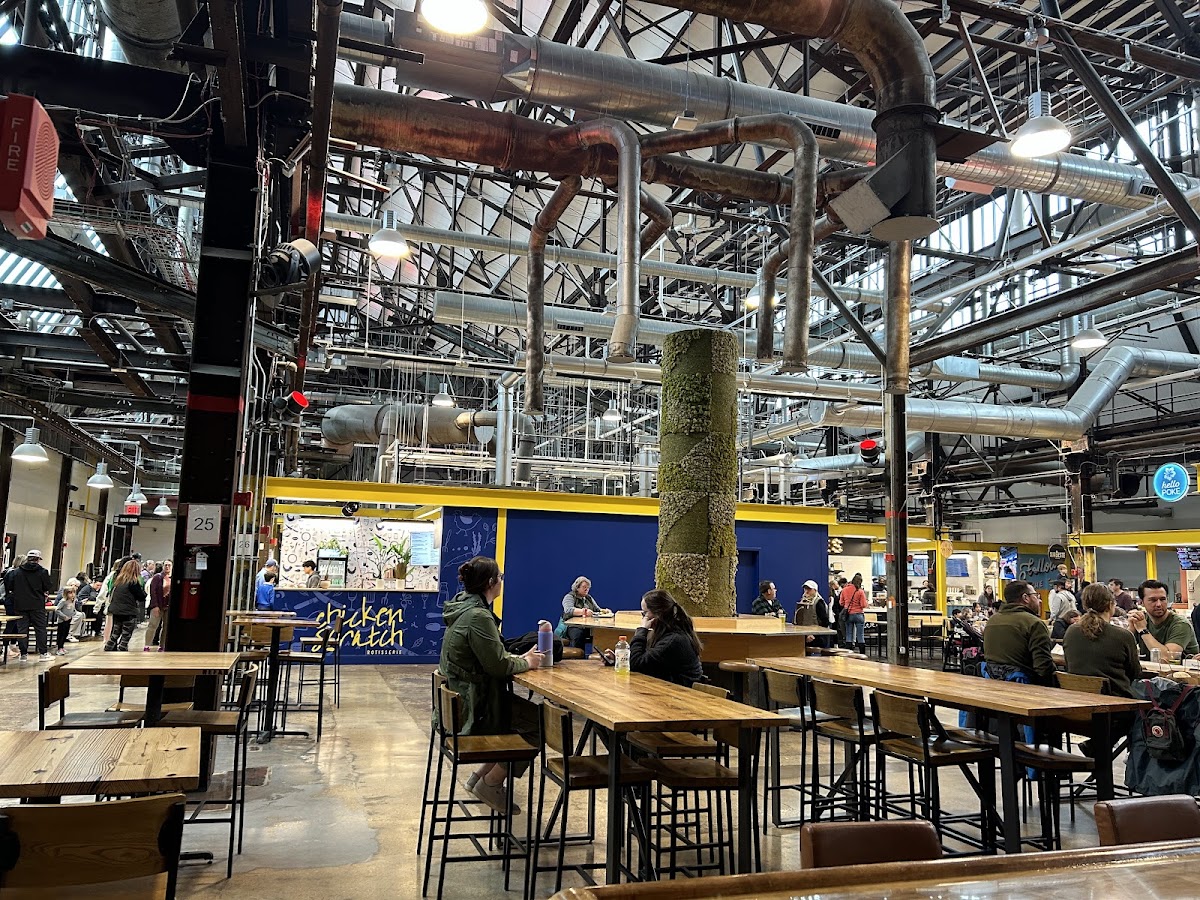
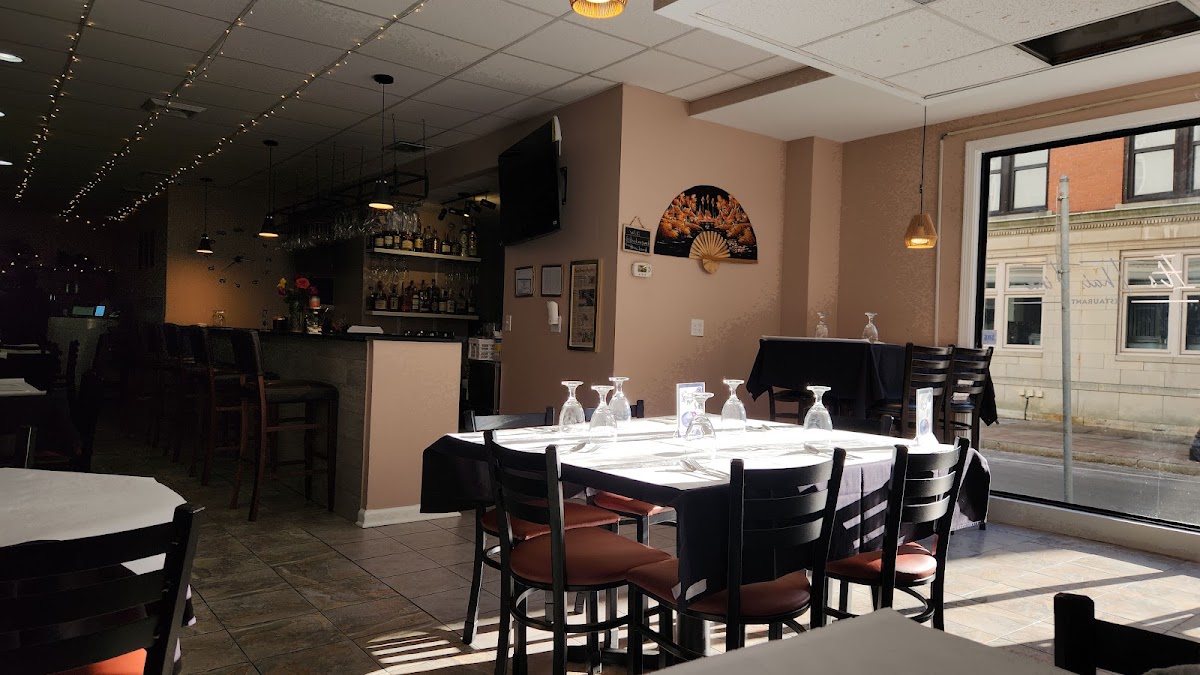
Walking into Chez Ali for the first time, I expected a quick neighborhood meal, but what I got was a long, relaxed dinner that felt personal in the best way. Tucked into St. Louis, MO 63110, United States, this diner-style restaurant blends casual comfort with dishes that clearly come from family tradition rather than a corporate playbook. I’ve eaten here with friends after work and once brought an out-of-town colleague who wanted something local, and both times the experience felt consistent, which says a lot in a city with a competitive food scene.
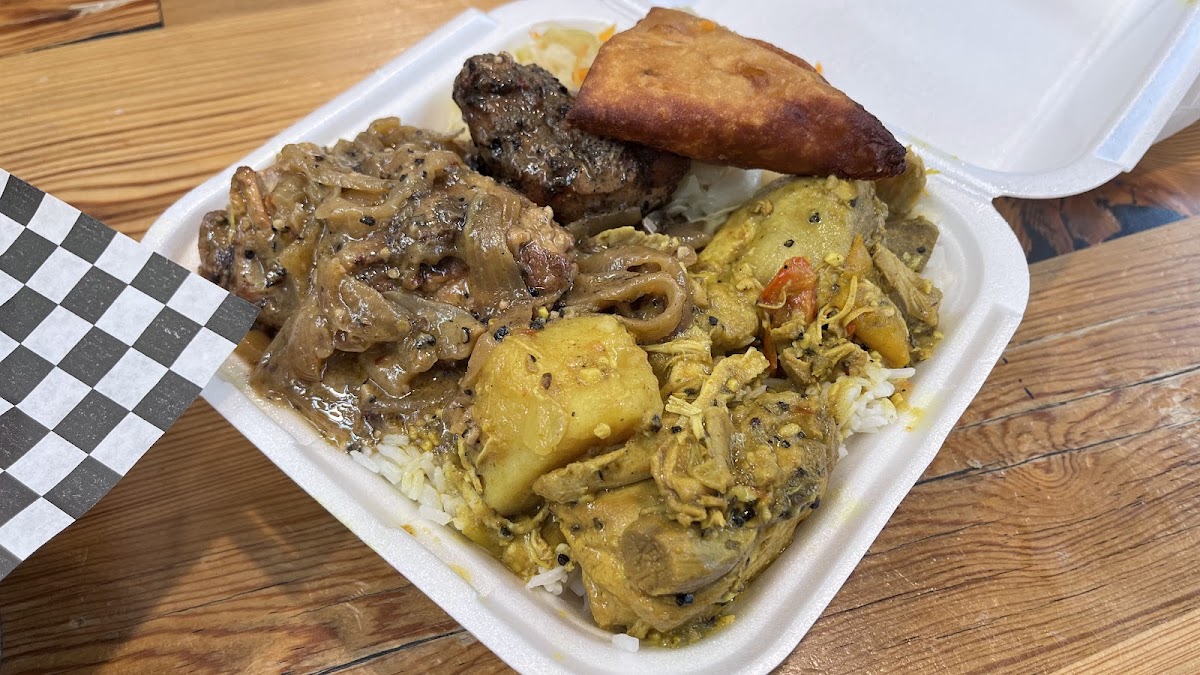
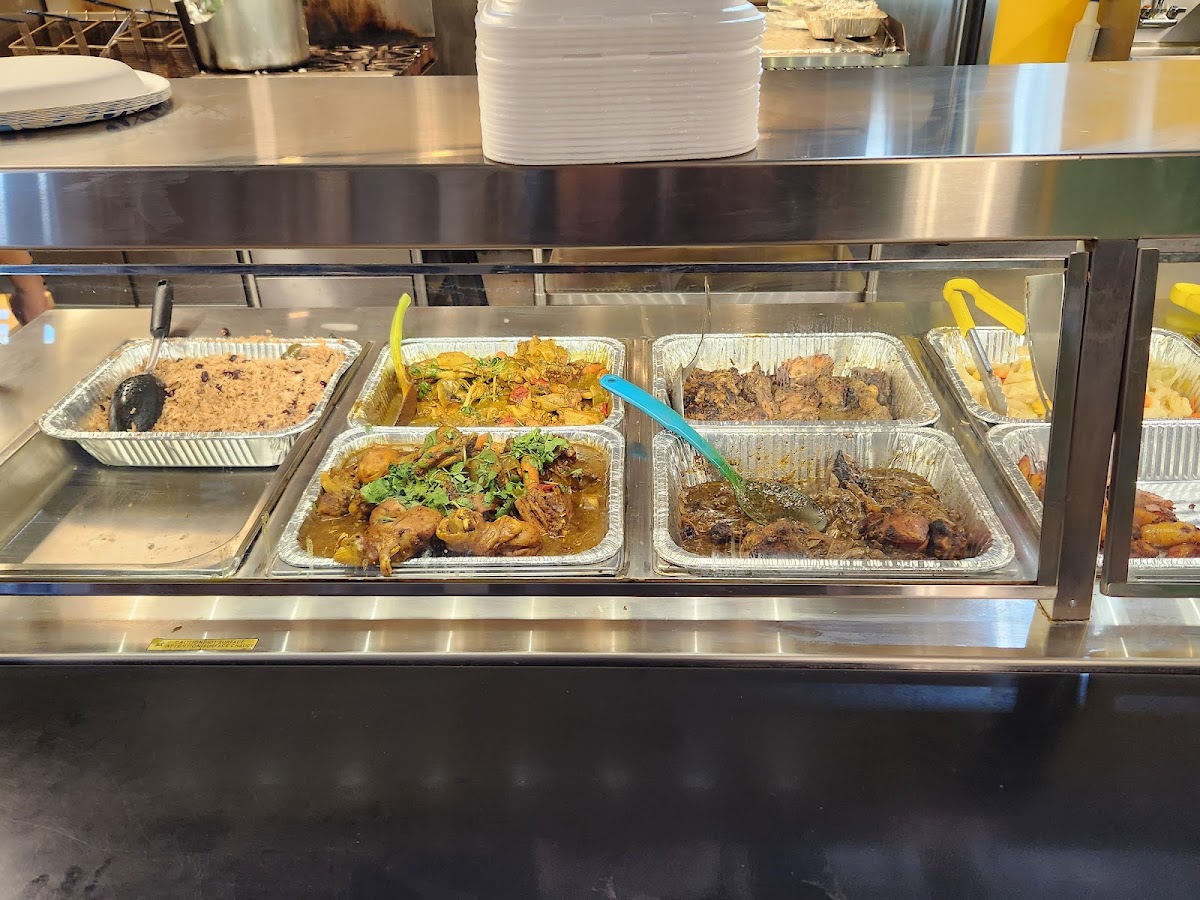
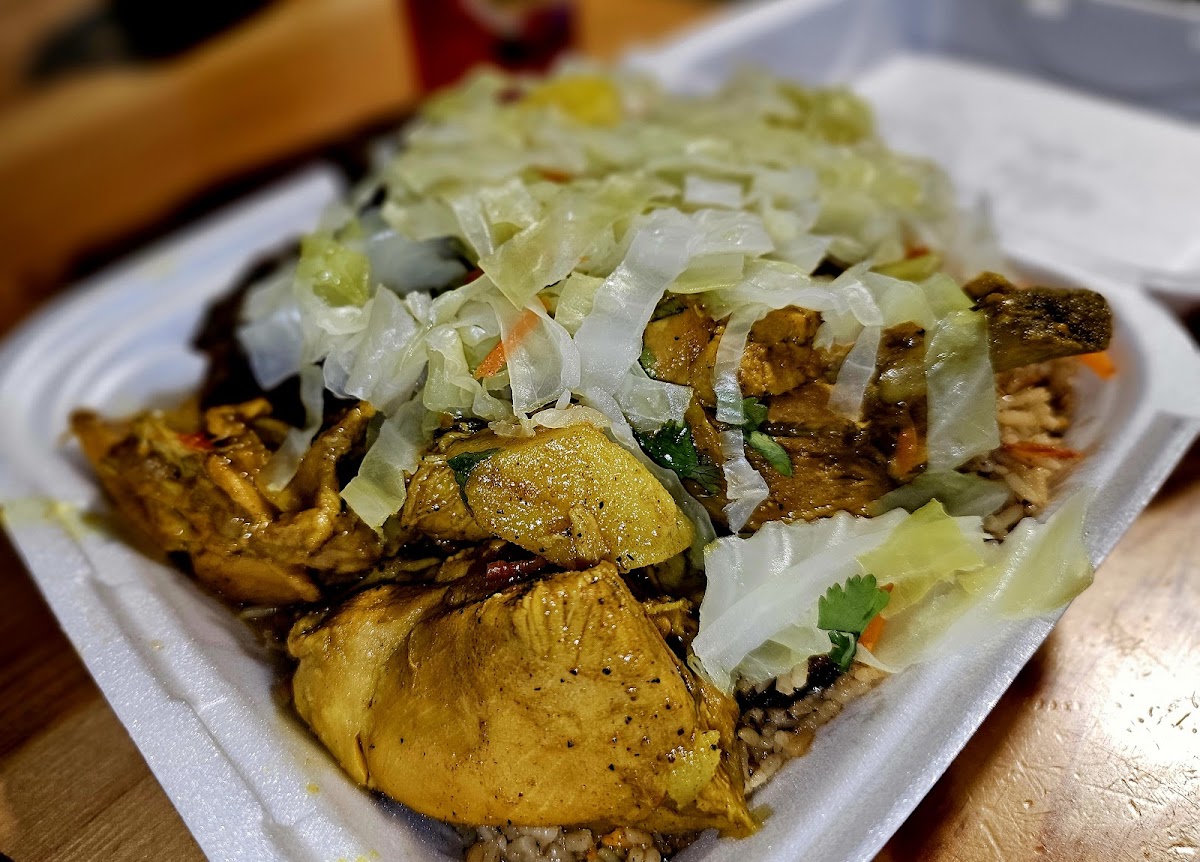
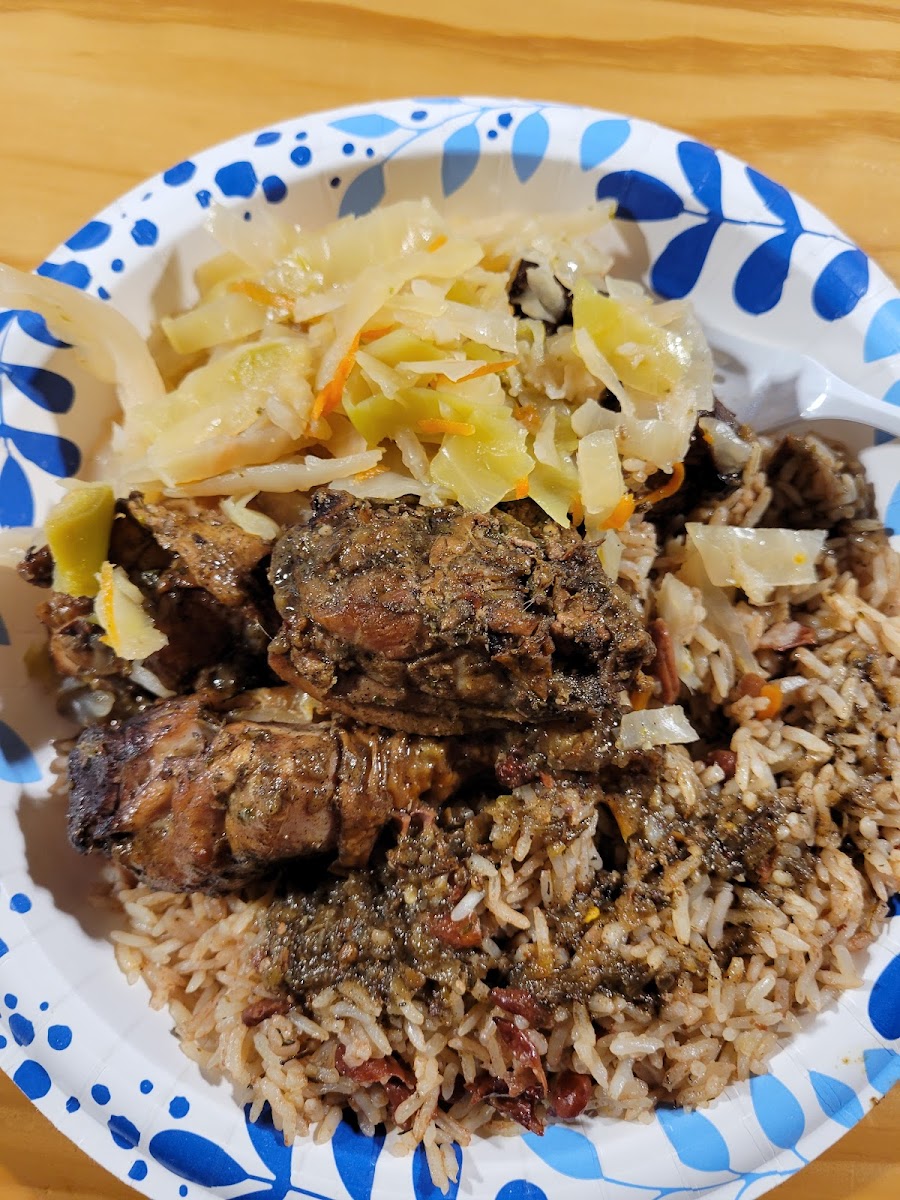
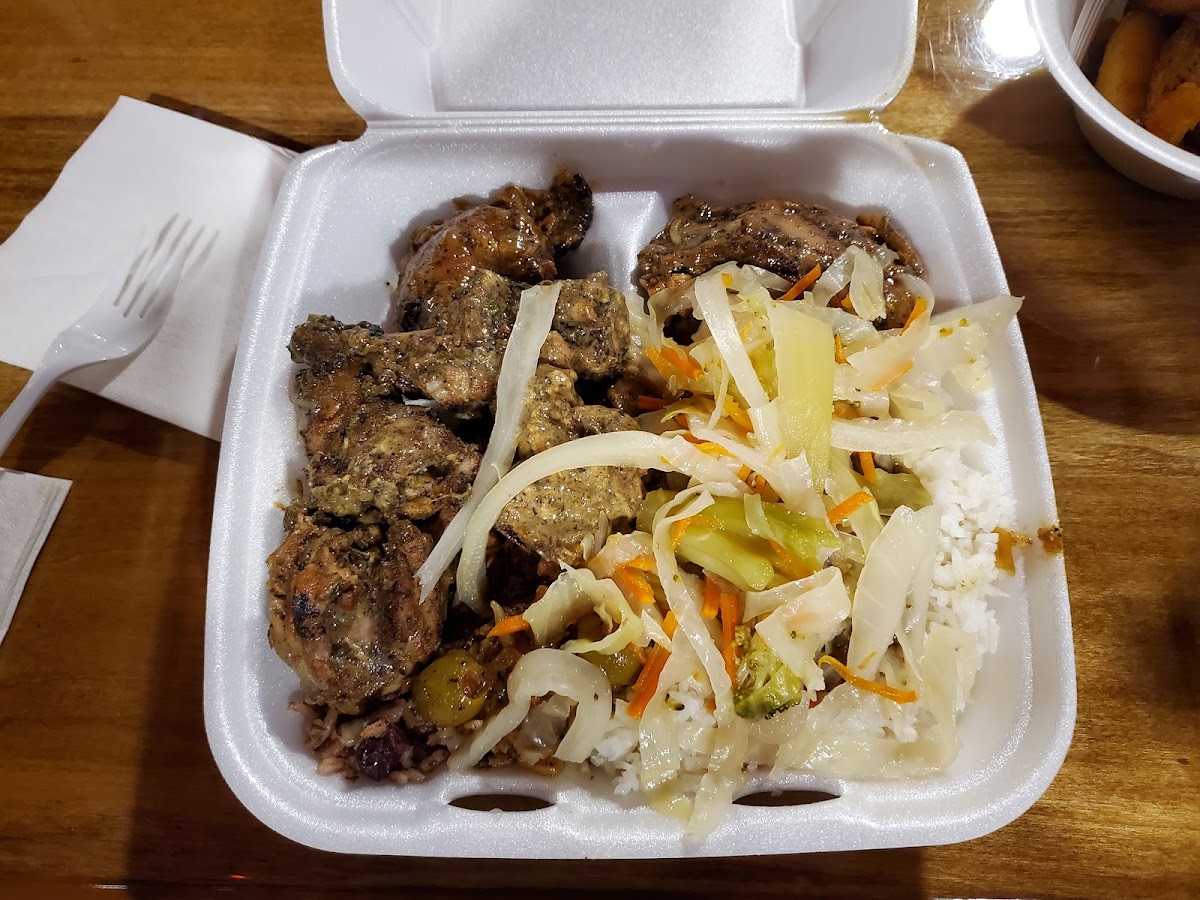
The menu leans heavily on comfort food with Mediterranean and North African influences, offering hearty portions and straightforward flavors. One of the servers explained how several recipes come from the owner’s own kitchen history, which matches what food researchers from the Culinary Institute of America often note: diners respond more positively when menus reflect authentic personal stories rather than trend-driven items. That authenticity shows up in slow-simmered sauces, grilled meats that aren’t rushed, and sides prepared fresh instead of reheated. When a restaurant takes that approach, it tends to earn repeat visits rather than one-time curiosity stops.
During one visit, I watched a small but telling process unfold. A cook noticed a regular customer had arrived and adjusted the spice level of a dish without being asked. That kind of awareness usually comes only after years of listening to feedback, something restaurant management studies from Cornell University highlight as a key driver of long-term customer satisfaction. It also explains why reviews frequently mention friendly service alongside food quality, rather than treating them as separate strengths.
Chez Ali’s location makes it easy to reach for locals and visitors alike, especially those exploring nearby neighborhoods for independent dining spots. Parking can be tight during peak hours, which is common in this part of St. Louis, but most diners seem willing to deal with that trade-off for a reliable meal. From what I’ve seen, the lunch crowd skews toward nearby workers, while evenings bring families and couples looking for something filling without feeling formal.
Reviews across major platforms tend to cluster around similar themes: generous portions, fair pricing, and a welcoming atmosphere. According to data shared by the National Restaurant Association, diners rank value and consistency above novelty when choosing where to eat regularly. That statistic fits perfectly here. No one comes expecting experimental plating; they come expecting a satisfying plate that tastes the same as last time.
What also stands out is how the restaurant balances tradition with small updates. Seasonal sides appear now and then, and the staff has been open about testing new items before committing them to the regular menu. That trial-and-error method is widely recommended by hospitality consultants because it lowers risk while keeping loyal customers engaged. It’s not flashy, but it’s smart.
There are limits to what can be known from the outside. Ingredient sourcing details aren’t always spelled out publicly, and nutritional breakdowns aren’t prominently displayed. For diners with specific dietary needs, asking questions directly is still the best approach. Based on conversations with staff, they’re used to accommodating requests when possible, though the kitchen isn’t positioned as allergen-free.
Overall, eating here feels less like visiting a trendy hotspot and more like returning to a place that knows its role in the community. The food, the service, and the steady stream of positive feedback all point in the same direction: a diner that understands its audience and delivers without overcomplicating things. In an industry where consistency is often harder than creativity, that’s a strength worth recognizing.